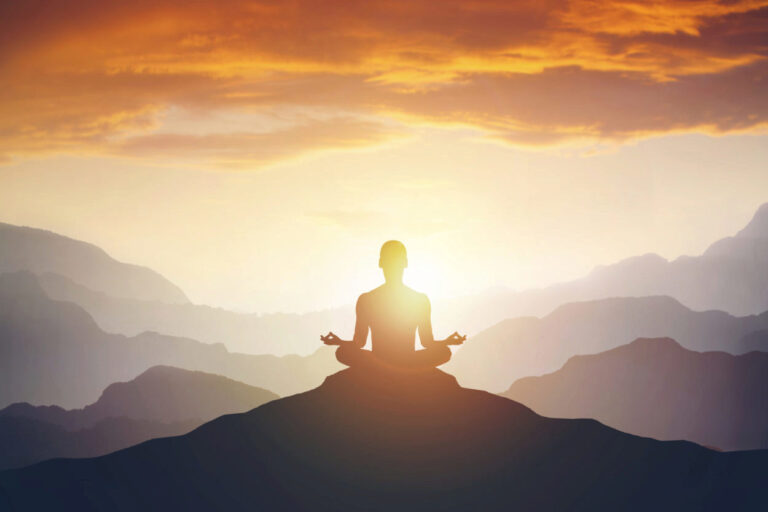

Whilst mindfulness might sound like psychobabble or a New Age-y term, there’s real evidence that being more mindful can enhance your life both personally and professionally—and it doesn’t take hours of sitting in the lotus position and saying Ohm to get there.
What is mindfulness, you may ask? Basically, it is a combination of meditation (focus on your breathing) and learning to be in the moment. You know, stop and smell the roses!
Juliet Adams, creator of mindfulnet.org, has put together a simple A B C definition and example below.
A – awareness: to become aware of what you are thinking and doing in your mind and body, right here, right now, in the present moment.
B – ‘being with’ your experience: not trying to change what you notice in this moment and developing the capacity to skilfully notice and accept without judgement ‘what is’.
C -seeing things as they are and proceeding with a wise mind; developing a gap between your reaction and response.
However, a core theme in mindfulness is that you cannot develop momentary awareness simply by reading about it; it has to be experienced. So here is a short practice, one that you can use yourself:
S STOP
T Take a breath
O Observe; just notice thoughts, feelings and bodily sensations
P Proceed mindfully to respond rather than react
There may be times during the day when you are finding things overwhelming and are not aware of what is happening. Take a moment to stop, take a breath and observe what is happening, including thoughts, feelings and emotions. By reconnecting with your experience, right here, right now, you can respond more effectively.
Recent studies related to mindfulness show that practising mindfulness on a regular basis can:-
- Improve memory and academic performance
- Help with weight loss and eating healthier foods.
- Lead to better decision-making.
- Lower stress and help cope with chronic health issues.
- Improve immunity and create positive brain changes.
- Better focus, more creativity, less anxiety and depression.
- Improve relationships.
I would also recommend Eckhart Tolle’s book the Power of Now and A New Earth, both books explain how you can be still and learn to be in the present moment. There are also hundreds of mindfulness meditations on YouTube. Don’t get too hung up about doing it right, you’re not going to stop the chatter and thoughts in your head. You will just learn to let them go! And remember, if you’re having a stressful day just keep reminding yourself once an hour or whenever possible to STOP, take a deep breath and just become aware.
The past is history and the future is a mystery, the present is a gift that is why it’s called the present!